
Embark on a journey into the realm of cladding siding boards, essential components in modern construction that offer both functionality and aesthetic appeal. From the various materials used to their installation and maintenance, this comprehensive guide will delve into all aspects of cladding siding boards.
As we delve deeper, you will gain valuable insights into the types, benefits, and best practices associated with cladding siding boards, empowering you to make informed decisions for your architectural projects.
Overview of Cladding Siding Board
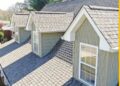
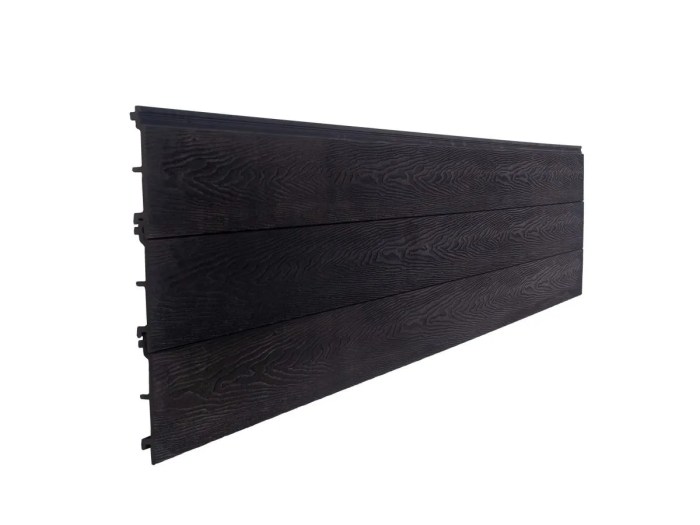
Cladding siding board is a material used in construction to cover the exterior walls of buildings. It serves both functional and aesthetic purposes, offering protection against the elements while enhancing the visual appeal of the structure.
Materials Used for Cladding Siding Boards
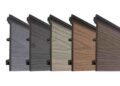
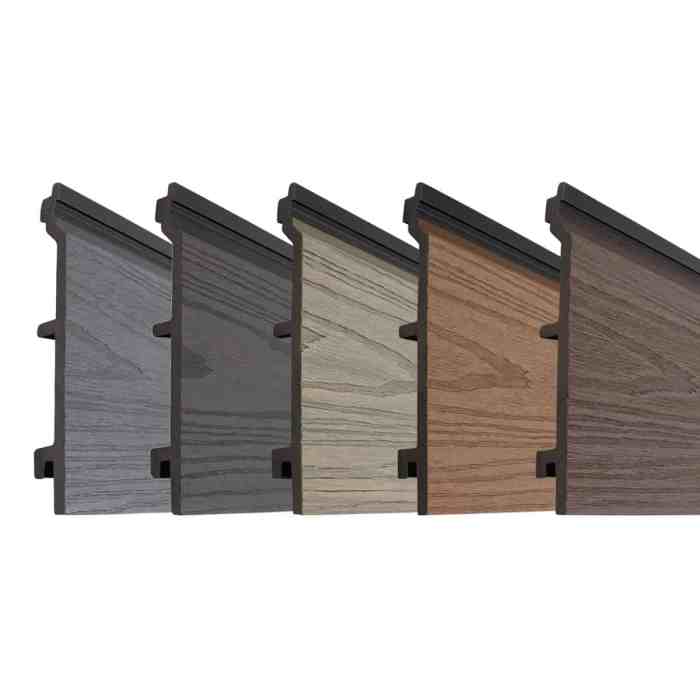
Cladding siding boards can be made from various materials such as wood, vinyl, fiber cement, metal, and composite materials. Each material has its unique characteristics and properties that cater to different architectural styles and requirements.
- Wood: Traditional and natural aesthetic, requires maintenance for longevity.
- Vinyl: Affordable, low maintenance, and versatile in design options.
- Fiber Cement: Durable, fire-resistant, and resistant to pests and rot.
- Metal: Modern and sleek appearance, durable, and weather-resistant.
- Composite Materials: Combination of different materials for enhanced durability and aesthetics.
Benefits of Using Cladding Siding Boards
Cladding siding boards offer several benefits in architecture, including:
- Weather Protection: Shields the building from rain, wind, and sunlight, extending the lifespan of the structure.
- Insulation: Improves energy efficiency by providing an extra layer of insulation against heat loss or gain.
- Aesthetic Appeal: Enhances the curb appeal of the building with a variety of design options and finishes.
- Low Maintenance: Depending on the material used, cladding siding boards can be low maintenance, saving time and costs in the long run.
- Structural Support: Provides additional support and strength to the building's exterior walls.
Types of Cladding Siding Boards
Cladding siding boards come in various materials, each with its own set of characteristics and suitability for different climates and design preferences.
Wood Cladding Siding Boards
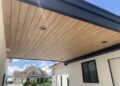
Wood cladding siding boards offer a natural and traditional look to the exterior of a building. They are versatile in design and can be painted or stained to achieve a desired aesthetic. However, wood requires regular maintenance to prevent rotting, warping, or insect damage.
It is best suited for moderate climates with lower humidity levels.
Vinyl Cladding Siding Boards
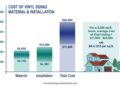
Vinyl cladding siding boards are durable, low-maintenance, and come in a wide range of colors and styles. They are resistant to rot, moisture, and insects, making them suitable for various climates, including areas with high humidity. Vinyl siding is also cost-effective and easy to install.
Fiber Cement Cladding Siding Boards
Fiber cement cladding siding boards are a popular choice due to their durability, fire resistance, and low maintenance requirements. They can mimic the look of wood or stucco while being more durable and weather-resistant. Fiber cement siding is suitable for areas with extreme weather conditions, including high humidity, as it does not warp or rot.
Metal Cladding Siding Boards
Metal cladding siding boards, such as aluminum or steel, offer a modern and sleek appearance to a building's exterior. They are highly durable, resistant to pests, and require minimal maintenance. Metal siding is ideal for areas with harsh weather conditions, including high winds and heavy precipitation.
However, metal siding can be prone to dents and scratches.
Installation of Cladding Siding Boards
Installing cladding siding boards is a crucial step in enhancing the aesthetics and protection of your property. Proper installation ensures durability and longevity of the boards, as well as the overall structure. Below is a step-by-step guide, tips for a durable installation, and common mistakes to avoid.
Step-by-Step Guide for Installing Cladding Siding Boards
- Prepare the surface by ensuring it is clean, dry, and free from any debris or old materials.
- Measure and cut the boards to fit the dimensions of the area, allowing for any gaps or overlaps.
- Start at the bottom and work your way up, using a level to ensure the boards are straight and properly aligned.
- Secure the boards in place using appropriate nails, screws, or adhesives, following the manufacturer's guidelines.
- Finish the installation by adding trim pieces around windows, doors, and corners for a polished look.
Tips for Ensuring a Proper and Durable Installation
- Choose high-quality cladding siding boards that are suitable for the climate and conditions of your area.
- Follow the manufacturer's instructions carefully to prevent any issues during installation.
- Use the right tools and equipment for cutting, measuring, and securing the boards to avoid damage or improper installation.
- Apply a weatherproof sealant or paint to protect the boards from moisture, UV rays, and other elements.
Common Mistakes to Avoid During the Installation of Cladding Siding Boards
- Skipping surface preparation, which can lead to poor adhesion and premature deterioration of the boards.
- Not allowing for expansion and contraction of the boards, causing warping or buckling over time.
- Overdriving nails or screws, which can damage the boards and compromise their integrity.
- Ignoring proper flashing and moisture barriers, leaving the structure vulnerable to water damage.
Maintenance and Care for Cladding Siding Boards
Proper maintenance is essential to ensure the longevity and appearance of your cladding siding boards. Different types of cladding siding boards may have specific maintenance requirements, and following best practices for cleaning and preservation can help prevent issues like rot, mold, or discoloration.
Maintenance Requirements for Different Types of Cladding Siding Boards
- Wooden Cladding: Regularly inspect for signs of rot or insect damage. Apply a protective sealant or paint to prevent moisture infiltration.
- Vinyl Cladding: Clean with a mixture of mild detergent and water. Avoid using harsh chemicals that can damage the surface.
- Fiber Cement Cladding: Check for cracks or chips and repair them promptly to prevent water penetration. A fresh coat of paint every few years can help maintain its appearance.
Each type of cladding siding board may have unique maintenance needs to keep it in optimal condition:
Best Practices for Cleaning and Preserving Cladding Siding Boards
- Regularly wash the boards with a hose or pressure washer to remove dirt and debris.
- Avoid using abrasive materials or harsh chemicals that can damage the surface of the boards.
- Inspect the boards annually for any signs of damage or wear and address them promptly.
To keep your cladding siding boards looking their best, follow these cleaning and preservation tips:
Identifying and Addressing Issues on Cladding Siding Boards
- Rot: Look for soft spots, discoloration, or a musty smell, indicating rot. Replace affected boards and address any underlying moisture issues.
- Mold: Mold growth is often caused by excess moisture. Clean the affected area with a mixture of water and bleach, and improve ventilation to prevent future mold growth.
- Discoloration: Discoloration can be caused by sun exposure, moisture, or dirt. Regular cleaning and proper maintenance can help prevent and address discoloration issues.
Issues like rot, mold, or discoloration can detract from the appearance and integrity of your cladding siding boards. Here's how to identify and address these common problems:
Epilogue
In conclusion, cladding siding boards serve as versatile solutions that not only enhance the visual appeal of structures but also provide durability and protection. By understanding the nuances of these components, you can elevate your construction projects to new heights of excellence.
Question & Answer Hub
What are the common materials used for cladding siding boards?
Common materials include wood, vinyl, fiber cement, and metal, each offering unique characteristics and benefits.
How can I ensure a proper installation of cladding siding boards?
Follow the step-by-step installation process and pay attention to tips such as ensuring proper alignment and using quality fasteners for a durable installation.
What are some maintenance practices for preserving cladding siding boards?
Regular cleaning, prompt addressing of issues like rot or mold, and using appropriate sealants can help maintain the appearance and longevity of cladding siding boards.