
As hadid architect takes center stage, this opening passage beckons readers with an engaging overview of the remarkable history, groundbreaking projects, and unique design philosophy that define the realm of Zaha Hadid Architects. Dive into a world where innovation meets creativity, and where architectural boundaries are continually redefined.
Overview of Hadid Architect
Zaha Hadid Architects is a renowned architectural firm founded by the late Zaha Hadid in 1979. The firm is known for its innovative and groundbreaking designs that push the boundaries of architecture.
Key Architectural Projects
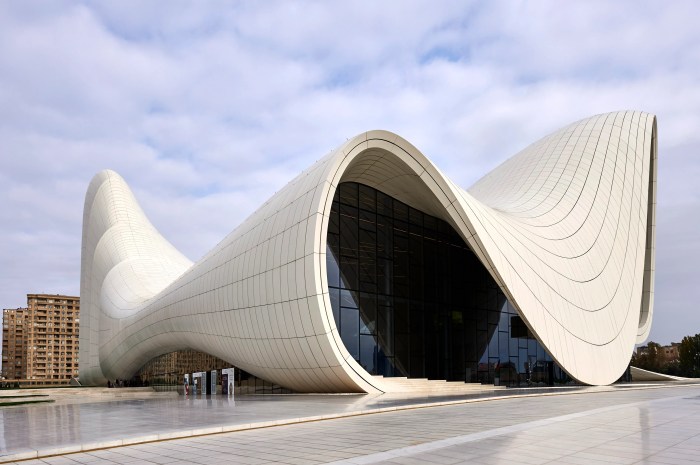
- The Heydar Aliyev Center in Baku, Azerbaijan: This cultural center features fluid lines and futuristic design, reflecting Hadid's signature style.
- The Guangzhou Opera House in China: A striking building that blends seamlessly with its surroundings, showcasing Hadid's ability to create dynamic structures.
- The London Aquatics Centre for the 2012 Olympics: This iconic venue features a wave-like roof design that has become a symbol of modern architecture.
Unique Style and Design Philosophy
Zaha Hadid's architectural style is characterized by fluid forms, organic shapes, and innovative use of materials. She believed in creating spaces that evoke movement and emotion, challenging traditional design principles.
Influence and Legacy
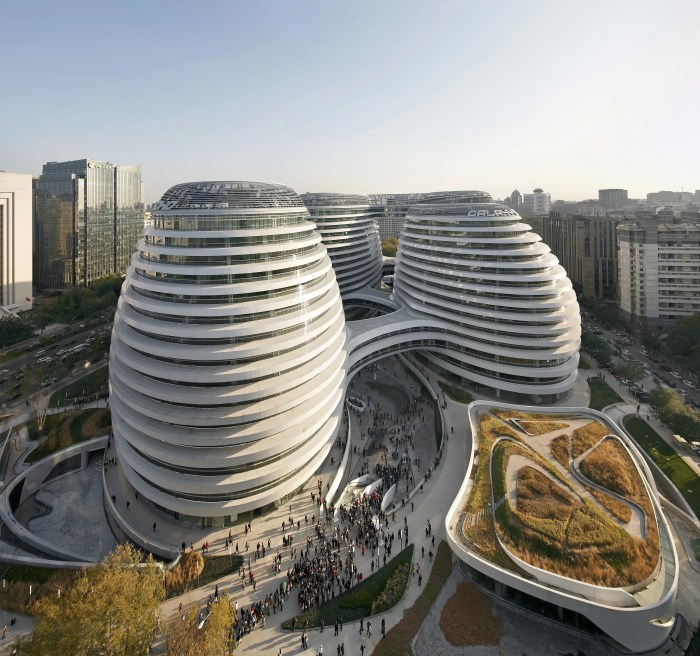
Zaha Hadid's influence on modern architecture is undeniable, as she pushed the boundaries of design and redefined the possibilities of architectural form.
Impact on the Architectural World
The work of Hadid Architect has had a profound impact on the architectural world by introducing innovative and futuristic designs that challenge traditional norms and inspire a new generation of architects.
Legacy Inspiring Future Architects
- Hadid's legacy continues to inspire future architects to think outside the box and experiment with unconventional shapes and structures.
- Her fearless approach to design encourages architects to break free from conventional constraints and explore new possibilities in architecture.
- By pushing the boundaries of what is possible, Zaha Hadid has left a lasting legacy that encourages architects to dream big and create truly unique and groundbreaking designs.
Innovative Designs
Zaha Hadid Architect is renowned for her groundbreaking and avant-garde designs that have left a lasting impact on the world of architecture. Her innovative approach to design, coupled with the use of cutting-edge technology and materials, has resulted in some of the most iconic structures of our time.
Iconic Designs
- The Heydar Aliyev Center in Baku, Azerbaijan, is a fluid and futuristic building that defies traditional architectural norms.
- The Guangzhou Opera House in China features sweeping curves and bold forms that challenge the conventional idea of what an opera house should look like.
- The MAXXI Museum in Rome is a striking example of Hadid's signature style, with its dynamic lines and interconnected spaces.
Use of Technology and Materials
Hadid Architect embraced cutting-edge technology and innovative materials in her designs, pushing the boundaries of what was possible in architecture. From parametric design software to advanced construction techniques, Hadid utilized the latest tools and materials to bring her visionary concepts to life.
Pushing Boundaries
- Hadid constantly pushed the boundaries of design with her unconventional and daring approach, challenging the status quo and redefining architectural norms.
- Her designs often featured complex geometries and fluid forms that required innovative engineering solutions to realize.
- By breaking away from traditional architectural constraints, Hadid Architect created a new language of design that continues to inspire architects and designers around the world.
Sustainability and Environmental Consciousness
Hadid Architect is known for its commitment to sustainability and environmental consciousness in its architectural designs. By integrating green practices and innovative technologies, the firm strives to reduce the environmental impact of its projects.
Green Building Materials
Hadid Architect incorporates sustainable materials such as recycled steel, reclaimed wood, and energy-efficient glass in its constructions. These materials help minimize waste and reduce the carbon footprint of the buildings.
Energy Efficiency
The firm focuses on energy-efficient designs by implementing features like passive solar heating, natural ventilation systems, and solar panels. This approach not only reduces energy consumption but also promotes a healthier indoor environment.
Water Conservation
Hadid Architect integrates water-saving technologies such as rainwater harvesting systems, greywater recycling, and low-flow fixtures in its projects. These initiatives help minimize water usage and contribute to sustainable water management.
Conclusion
In conclusion, the legacy of Hadid Architect stands as a testament to visionary design, technological advancement, and environmental consciousness. As Zaha Hadid's pioneering spirit continues to inspire and shape the future of architecture, her innovative approach remains a beacon for aspiring architects around the globe.
Popular Questions
How did Zaha Hadid Architects come into existence?
Zaha Hadid Architects was founded by the renowned architect Zaha Hadid in 1979.
What sets apart the design philosophy of Hadid Architect?
Hadid Architect's design philosophy is characterized by fluid forms, innovative use of materials, and a futuristic aesthetic.
How does Hadid Architect incorporate sustainability into its designs?
Hadid Architect integrates sustainability by utilizing eco-friendly materials, energy-efficient systems, and green building practices.
What are some iconic projects by Hadid Architect?
Iconic projects by Hadid Architect include the Heydar Aliyev Center in Baku and the London Aquatics Centre.