
As commercial siding takes center stage, this opening passage beckons readers into a world crafted with good knowledge, ensuring a reading experience that is both absorbing and distinctly original. It explores the purpose, materials, installation, maintenance, and cost factors of commercial siding, offering valuable insights for anyone interested in this topic.
Overview of Commercial Siding
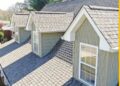
Commercial siding serves as the protective outer shell of commercial buildings, shielding them from the elements and enhancing their visual appeal. It plays a crucial role in maintaining the structural integrity of the building and ensuring energy efficiency.
Common Materials Used in Commercial Siding
- Vinyl: Known for its affordability, versatility, and low maintenance requirements.
- Wood: Offers a traditional, natural look but requires regular maintenance to prevent rot and decay.
- Metal: Provides durability and strength, often used in industrial settings for its resilience.
- Fiber Cement: Resistant to fire, insects, and rot, offering a long-lasting option for commercial buildings.
Importance of Quality Siding for Commercial Buildings
Quality siding is essential for commercial buildings as it not only protects the structure from weather elements but also enhances its curb appeal and overall value. Durable and well-installed siding can improve energy efficiency by providing insulation and reducing heat loss, ultimately leading to cost savings in the long run.
Additionally, quality siding can contribute to a positive first impression for customers and tenants, reflecting professionalism and care in property maintenance.
Types of Commercial Siding
When it comes to commercial siding options, there are several materials to choose from, each with its own set of benefits and drawbacks. Understanding the different types of siding available can help you make an informed decision for your commercial building.
Vinyl Siding
Vinyl siding is one of the most popular choices for commercial buildings due to its affordability and low maintenance requirements. It comes in a variety of colors and styles, making it versatile for different architectural designs. However, vinyl siding can crack or fade over time, and it may not be as durable as other materials.
Wood Siding
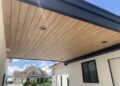
Wood siding offers a natural and traditional look that many commercial property owners appreciate. It is environmentally friendly and can be easily painted or stained to match the building's aesthetic. However, wood siding requires regular maintenance to prevent rot, mold, and insect damage, making it a higher maintenance option compared to others.
Metal Siding
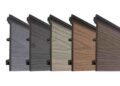
Metal siding, such as steel or aluminum, is known for its durability and longevity. It is resistant to fire, rot, and pests, making it a low-maintenance option for commercial buildings. Metal siding is also available in a variety of colors and finishes to suit different design preferences.
On the downside, metal siding can dent or scratch easily, and it may be more expensive upfront compared to other materials.
Fiber Cement Siding
Fiber cement siding is a composite material made from cement, sand, and cellulose fibers. It offers the look of wood siding without the high maintenance requirements. Fiber cement siding is durable, fire-resistant, and resistant to rot and pests. However, it can be heavy and difficult to install, requiring professional installation for best results.
Brick Siding
Brick siding is a classic and durable option for commercial buildings. It offers a timeless look and requires minimal maintenance over time. Brick siding is also energy-efficient and provides excellent insulation. However, brick siding can be costly to install, and repairs can be challenging and expensive.These are just a few examples of the types of commercial siding available for your building.
Each material has its own set of advantages and disadvantages, so it's essential to consider your budget, maintenance preferences, and aesthetic goals when choosing the right siding for your commercial property.
Installation Process
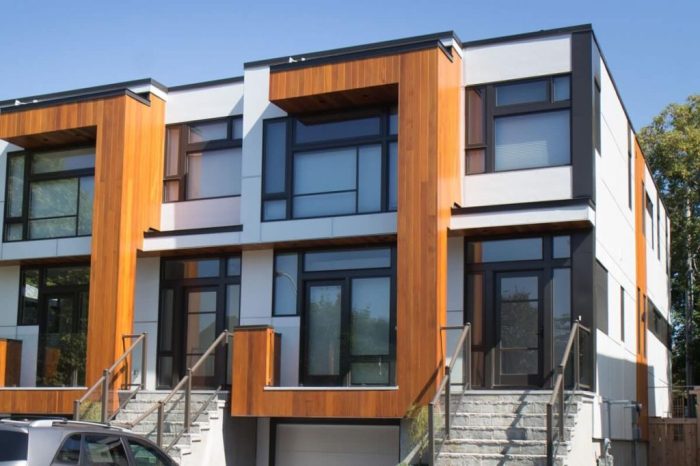
Installing commercial siding involves several crucial steps to ensure a successful outcome. Proper installation techniques are essential for the longevity and performance of the siding. Special considerations must be taken into account when installing siding on commercial structures due to their size and unique requirements.
Typical Steps in Installing Commercial Siding
- Preparation of the surface by cleaning and removing any existing siding or debris.
- Measurement and cutting of the siding materials to fit the dimensions of the building.
- Installation of the siding panels or sheets using appropriate fasteners and techniques.
- Sealing joints and edges to prevent moisture infiltration and ensure a weather-tight seal.
- Finishing touches such as caulking, painting, or adding trim for a polished look.
Importance of Proper Installation Techniques
Proper installation techniques are crucial to the performance and durability of commercial siding. Improper installation can lead to issues such as water damage, mold growth, and structural instability. Following manufacturer guidelines and industry best practices is essential to avoid these problems.
Special Considerations for Installing Siding on Commercial Structures
- Structural integrity: Commercial buildings may have unique structural requirements that must be considered when installing siding to ensure it can support the weight of the materials.
- Fire safety: Some commercial structures require siding materials that are fire-resistant to meet safety regulations.
- Accessibility: Installing siding on tall or large buildings may require specialized equipment and safety measures to ensure the work can be completed safely and efficiently.
Maintenance and Repair
Proper maintenance is essential to ensure the longevity and performance of commercial siding. Regular upkeep can help prevent costly repairs and extend the lifespan of the siding material.
Maintenance Requirements
- Regularly clean the siding with a gentle detergent and water to remove dirt, mold, and mildew buildup.
- Inspect the siding for any signs of damage, such as cracks, holes, or warping, and address them promptly.
- Trim any vegetation near the siding to prevent damage from overgrowth or pests.
- Check the caulking and seals around windows, doors, and other openings to ensure they are intact and watertight.
Tips for Keeping Siding in Good Condition
- Perform regular inspections and cleanings to prevent dirt and debris buildup.
- Address any issues promptly to prevent further damage and costly repairs.
- Consider applying a protective coating or sealant to enhance the durability of the siding material.
- Ensure proper ventilation to prevent moisture buildup, which can lead to mold and mildew growth.
Common Issues and Repair Solutions
- Cracks and Holes:Fill in cracks and holes with an appropriate filler or sealant to prevent water infiltration and further damage.
- Warping or Buckling:Address warping or buckling by replacing the affected siding panels to maintain the structural integrity of the building.
- Mold and Mildew:Clean mold and mildew with a solution of water and bleach, and improve ventilation to prevent future growth.
- Fading or Discoloration:Consider repainting or applying a fresh coat of finish to restore the appearance of the siding.
Cost Factors
When considering commercial siding projects, it's essential to break down the cost factors involved to effectively budget for the project. Understanding the costs associated with different siding materials and installation methods can help you make informed decisions.
Siding Materials and Installation Methods
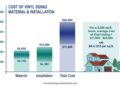
Comparing the cost of different siding materials and installation methods can give you insights into the overall expenses of your commercial siding project. Here is a breakdown of the cost factors to consider:
- Material Costs: The type of siding material you choose will significantly impact the overall cost of your project. Materials such as vinyl, fiber cement, wood, and metal have varying price points.
- Installation Costs: The method of installation, whether it's DIY, hiring a professional contractor, or using a specific installation technique, will influence the overall cost of the project.
- Labor Costs: Labor costs for installing commercial siding can vary based on the complexity of the project, location, and the experience of the contractors.
- Additional Costs: Factors such as permits, equipment rentals, disposal of old siding, and any necessary repairs or modifications can add to the overall cost of the project.
Budgeting for Commercial Siding Projects
Effective budgeting is crucial for the success of any commercial siding project. Here are some insights on how to budget effectively:
- Evaluate Your Needs: Determine the scope of your project, including the area to be covered, desired siding material, and any additional requirements, to estimate the overall cost accurately.
- Get Multiple Quotes: Obtain quotes from different contractors and suppliers to compare prices and choose the most cost-effective option without compromising quality.
- Plan for Contingencies: Set aside a contingency fund to cover unexpected expenses or changes in the project scope to avoid budget overruns.
- Consider Long-Term Costs: While upfront costs are essential, also consider the long-term maintenance and durability of the siding material to make a cost-effective choice.
Summary
In conclusion, commercial siding plays a crucial role in the aesthetics and functionality of buildings. By understanding the types, installation process, maintenance requirements, and cost factors associated with commercial siding, individuals can make informed decisions for their projects. Dive into the world of commercial siding and elevate your knowledge today.
Essential Questionnaire
What are the common materials used in commercial siding?
Common materials used in commercial siding include vinyl, metal, fiber cement, wood, and brick.
What are the typical steps involved in installing commercial siding?
The typical installation process involves preparing the surface, measuring and cutting the siding materials, attaching them to the building structure, and finishing with trim pieces.
How can I keep commercial siding in good condition?
To maintain commercial siding, regularly clean it, inspect for damage, repaint or refinish as needed, and address any issues promptly to prevent further damage.
What are the cost factors associated with commercial siding?
Cost factors include the type of material chosen, installation labor costs, size of the building, additional features like insulation or trim, and any maintenance or repair expenses in the long run.