
Delving into flat interior design, this introduction immerses readers in a unique and compelling narrative. From defining the concept to exploring key elements and color schemes, this overview sets the stage for a deep dive into the world of designing flat interiors.
As we progress, we'll uncover the significance of furniture selection, lighting techniques, textures, materials, decor, and accessories in shaping the perfect flat interior design.
Overview of Flat Interior Design
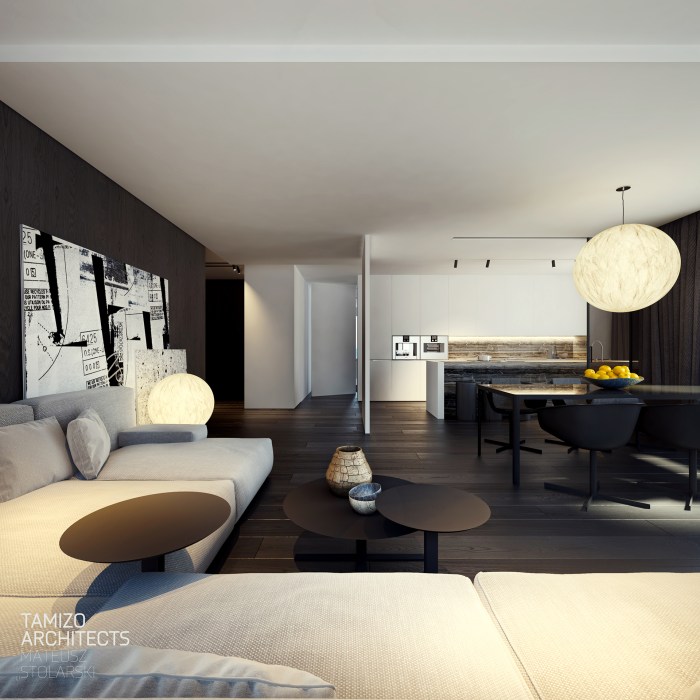
Flat interior design refers to the aesthetic and functional arrangement of living spaces within an apartment or flat. It plays a crucial role in creating a harmonious and comfortable environment for modern living.
Key Elements of Flat Interior Design
Flat interior design is characterized by several key elements that contribute to its overall appeal and functionality:
- Minimalist Approach: Emphasis on simplicity, clean lines, and clutter-free spaces.
- Use of Space: Efficient utilization of space to maximize functionality and comfort.
- Neutral Color Palette: Neutral colors such as whites, greys, and earth tones dominate the color scheme to create a sense of calm and openness.
- Functional Furniture: Furniture pieces are selected based on their practicality and versatility to optimize space.
- Lighting Design: Strategic placement of lighting fixtures to enhance the ambiance and highlight key design elements.
Relationship Between Flat Interior Design and Minimalist Aesthetics
Flat interior design is closely intertwined with minimalist aesthetics, as both focus on simplicity, functionality, and the elimination of unnecessary elements. Minimalist aesthetics emphasize the idea of "less is more," which aligns well with the clean and uncluttered look often found in flat interior design.
The minimalist approach in flat interior design promotes a sense of serenity and balance, creating a space that is visually appealing and conducive to relaxation.
Color Schemes and Palettes
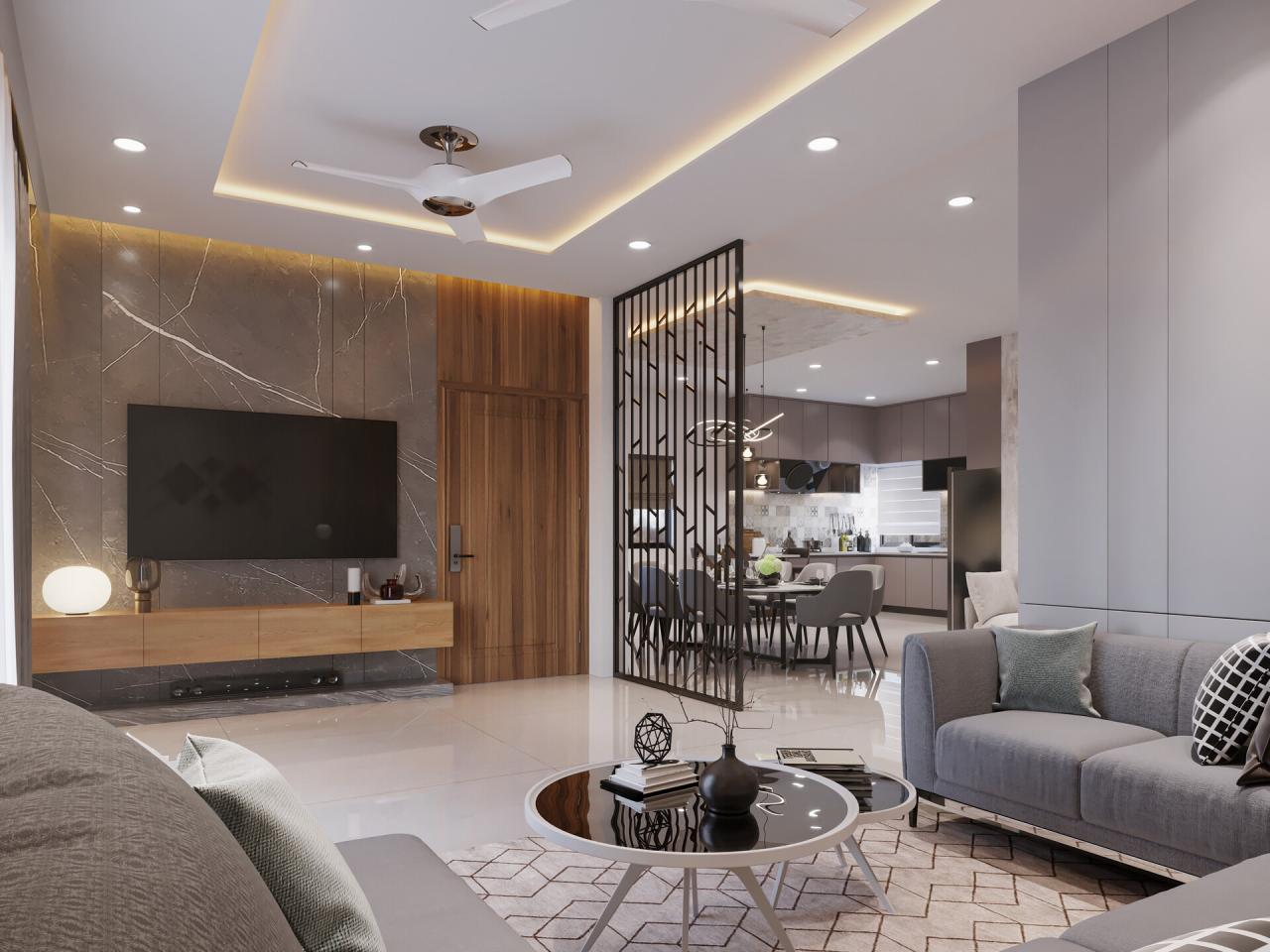
When it comes to flat interior design, color schemes play a crucial role in setting the overall mood and aesthetic of the space. The right color palette can enhance the design, while the wrong choice can detract from it. Let's explore some popular color schemes used in flat interior design and how they can impact the design aesthetic.
Monochromatic Color Scheme
A monochromatic color scheme involves using varying shades of a single color to create a harmonious and cohesive look. This scheme is popular in flat interior design as it creates a sense of unity and simplicity. For example, using different shades of grey can create a modern and sophisticated feel in a flat.
Complementary Color Scheme
A complementary color scheme involves using colors that are opposite each other on the color wheel. This scheme creates a bold and dynamic look in a flat interior design. For instance, pairing blue with orange can create a vibrant and energetic atmosphere in a living room.
Analogous Color Scheme
An analogous color scheme involves using colors that are next to each other on the color wheel. This scheme creates a harmonious and calming effect in a flat. For example, combining shades of green and blue can create a serene and relaxing ambiance in a bedroom.
Triadic Color Scheme
A triadic color scheme involves using three colors that are evenly spaced on the color wheel. This scheme creates a balanced and visually appealing look in a flat interior design. For instance, combining yellow, blue, and red can create a lively and cheerful vibe in a kitchen.Each of these color schemes can be used to enhance the overall design aesthetic of a flat interior.
It's essential to consider factors such as natural light, room size, and furniture style when choosing a color palette to ensure a cohesive and visually pleasing result.
Furniture Selection and Placement
Choosing the right furniture and placing it strategically in a flat can make a significant impact on the overall design and functionality of the space. Here are some tips to help you make the most of your furniture selection and placement:
Optimizing Space with Furniture Placement
When working with limited space in a flat, it's crucial to maximize every inch available. Opt for multi-functional furniture pieces like sofa beds, storage ottomans, or wall-mounted shelves to save space. Place furniture against walls to create an open flow and avoid blocking pathways.
Utilize vertical space with tall bookshelves or cabinets to draw the eye upward and make the room feel more spacious.
Complementing Furniture Styles with Flat Interior Design
Consider the overall style of your flat when selecting furniture to ensure a cohesive look. For modern flats, sleek and minimalist furniture works best, while traditional flats may benefit from classic pieces like a Chesterfield sofa or ornate coffee table.
Mix and match styles like industrial and bohemian for an eclectic vibe, or stick to one cohesive theme throughout for a harmonious feel. Remember to balance different furniture shapes and sizes to create visual interest and avoid a cluttered look.
Lighting Techniques
Lighting plays a crucial role in setting the ambiance of a flat interior. It can enhance the overall design, highlight key features, and create a welcoming atmosphere for residents and guests alike.
Natural Light Enhancements
Natural light is a fantastic way to brighten up a flat interior and make the space feel more open and airy. Here are some ways to maximize the use of natural light:
- Keep windows clean and unobstructed to allow maximum light to enter the room.
- Use light-colored curtains or blinds that can be easily opened to let in sunlight.
- Place mirrors strategically to reflect natural light and distribute it throughout the room.
- Consider using sheer or translucent window treatments to diffuse harsh sunlight.
Artificial Lighting Options
When natural light is not sufficient, artificial lighting becomes essential for creating the right ambiance. Here are some artificial lighting options to consider:
- Overhead lighting fixtures such as chandeliers or pendant lights can provide general lighting for the entire room.
- Task lighting, such as under cabinet lighting in the kitchen or reading lamps in the living room, can help illuminate specific areas for activities.
- Accent lighting, like wall sconces or track lighting, can highlight artwork, architectural features, or any focal points in the room.
- Dimmer switches are a great way to control the intensity of artificial lighting and adjust it according to the time of day or mood desired.
Textures and Materials
When it comes to flat interior design, textures and materials play a crucial role in enhancing the overall look and feel of a space. They add depth, visual interest, and can help create a cohesive design scheme.
The Role of Textures and Materials
Textures and materials can greatly influence the atmosphere of a flat interior. For example, incorporating a mix of textures like smooth leather, plush velvet, and rough wood can create a dynamic and inviting space. Additionally, the choice of materials such as glass, metal, and natural fibers can contribute to the overall aesthetic of the design.
Various Textures for Adding Depth and Interest
- Velvet: Adds a touch of luxury and warmth to the space.
- Leather: Provides a sleek and sophisticated look.
- Wood: Brings a natural and rustic element to the design.
- Metal: Adds a modern and industrial vibe.
Material Choices for Cohesive Design
- Choosing materials that complement each other, such as pairing wood with metal accents or incorporating glass elements for a sleek finish, can help achieve a cohesive look in a flat interior.
- Consider the durability and maintenance of materials to ensure they are suitable for the intended use and will stand the test of time.
Decor and Accessories
Decor and accessories play a crucial role in enhancing the overall look and feel of a flat interior. They add personality, style, and visual interest to the space, making it more inviting and aesthetically pleasing.
Examples of Decorative Elements
- Throw pillows and blankets in coordinating colors or patterns can add a pop of color and texture to a neutral sofa or bed.
- Wall art, such as paintings, prints, or photographs, can serve as focal points and tie together the color scheme of the room.
- Indoor plants and succulents bring a touch of nature indoors and help purify the air while adding a refreshing element to the space.
- Mirrors can create the illusion of space, reflect natural light, and add depth to a room when strategically placed.
Tips for Balancing Minimalism with Decorative Accents
- Choose a cohesive color palette and stick to it when selecting decor items to maintain a sense of harmony in the space.
- Opt for a few statement pieces rather than cluttering the space with too many accessories to prevent visual overwhelm.
- Consider the scale and proportion of decor items in relation to the size of the room to ensure they complement the overall design.
- Experiment with different textures, materials, and finishes to add depth and visual interest to a minimalist interior without compromising its clean aesthetic.
Final Conclusion
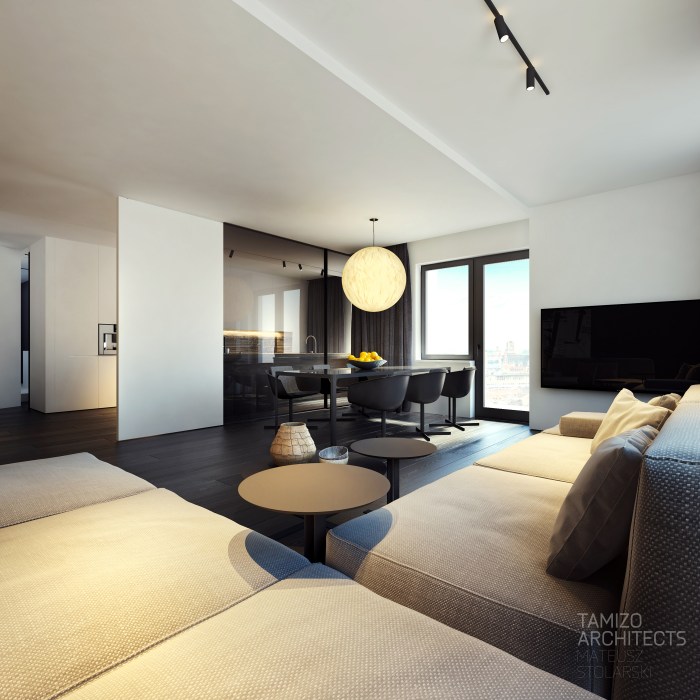
In conclusion, flat interior design offers a blend of minimalist aesthetics and functionality that can transform any living space into a modern oasis. By understanding the interplay of color, furniture, lighting, textures, and decor, you can create a harmonious and visually captivating environment that reflects your personal style.
FAQ Summary
What defines flat interior design?
Flat interior design focuses on creating sleek, minimalist living spaces that maximize functionality and aesthetics through carefully curated elements.
How can color palettes impact flat design aesthetic?
Color palettes play a crucial role in enhancing or detracting from flat design aesthetics by setting the tone, mood, and visual appeal of the space.
Why is furniture selection important in flat interiors?
Choosing the right furniture is vital in flat interiors as it influences the functionality, flow, and overall design harmony of the space.
How does lighting influence flat interior ambiance?
Lighting can significantly impact the ambiance of a flat interior by creating different moods, enhancing textures, and highlighting key design elements.
What role do textures and materials play in flat interior design?
Textures and materials add depth, visual interest, and tactile appeal to flat interior design, creating a more dynamic and engaging living space.