

As georgian interior design takes center stage, this opening passage beckons readers into a world crafted with good knowledge, ensuring a reading experience that is both absorbing and distinctly original.
Georgian interior design is a style that exudes sophistication and timeless elegance, characterized by its distinct features and historical influences. From the color palettes to the architectural elements, each aspect adds a layer of richness and grandeur to the design aesthetic.
Let's delve deeper into the world of Georgian interior design to uncover its beauty and charm.
Overview of Georgian Interior Design
Georgian interior design is known for its elegant and symmetrical style, reflecting the architecture and design trends of the Georgian era (1714-1837) in England. Key characteristics include a sense of balance, proportion, and harmony, as well as the use of luxurious materials and intricate detailing.
Historical Influences on Georgian Interior Design
Georgian interior design was heavily influenced by classical architecture, particularly the designs of ancient Greece and Rome. The emphasis on symmetry, geometric patterns, and neoclassical elements such as columns and pilasters can be seen in Georgian interiors.
Color Palettes in Georgian Interior Design
The color palettes typically used in Georgian interior design are sophisticated and timeless. Neutral tones such as soft blues, pale greens, creams, and grays are common, creating a sense of elegance and refinement. Bold accents in colors like deep reds, rich greens, and royal blues are also used to add depth and contrast to the overall aesthetic.
Furniture and Decor
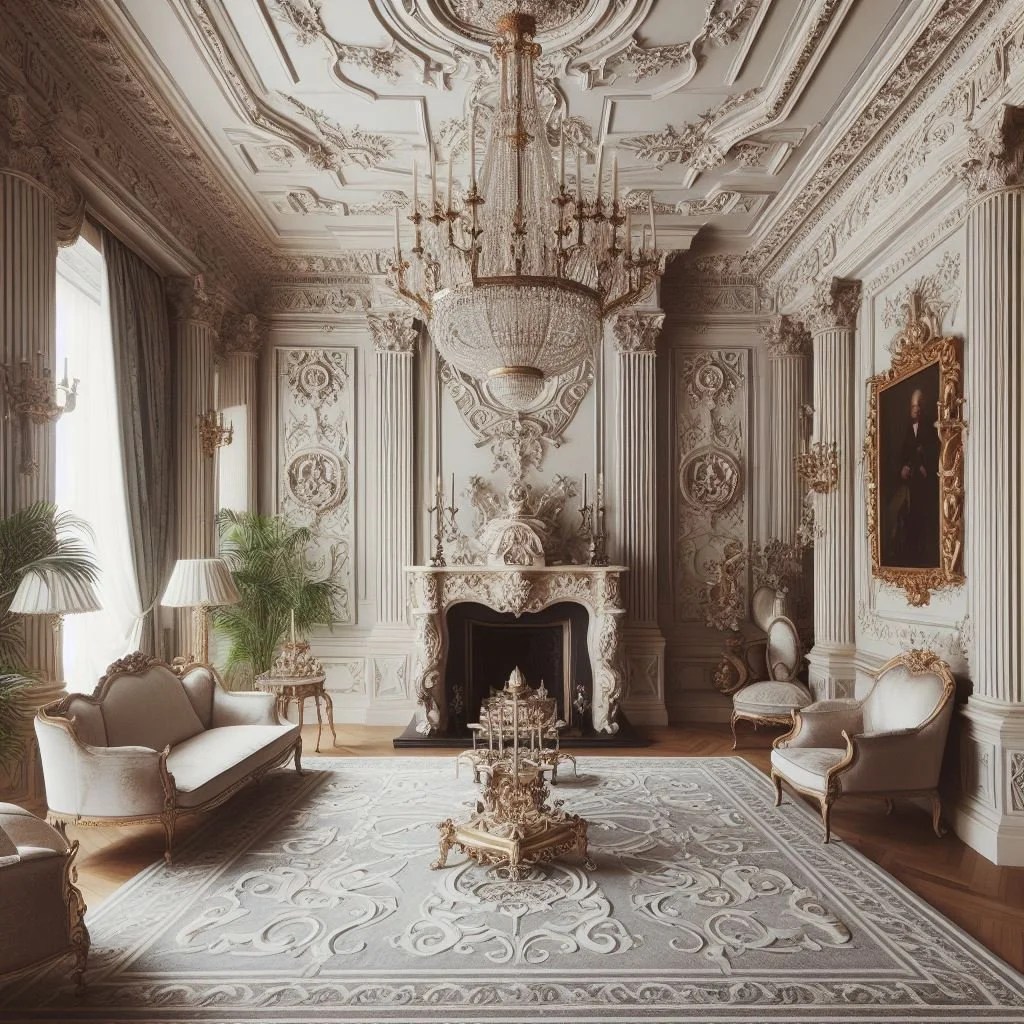
In Georgian interior design, furniture and decor play a crucial role in creating a sense of elegance and symmetry within a space. Let's explore the types of furniture commonly found in Georgian interiors, how symmetry is utilized in furniture arrangement, and the decorative elements that add charm to these spaces.
Types of Furniture
In Georgian interior design, you'll often find an array of classic and elegant furniture pieces. Some common types include:
- Chippendale chairs and tables: Known for their intricate carvings and curved lines, these pieces add a touch of sophistication to the room.
- Sheraton-style furniture: Characterized by delicate lines, tapered legs, and inlaid details, Sheraton-style furniture complements the graceful aesthetic of Georgian interiors.
- Canopy beds: Grand and opulent, canopy beds with elaborate draperies were popular during the Georgian era, adding a sense of luxury to the bedroom.
- Secretary desks: These functional yet stylish desks often feature intricate inlays and hidden compartments, blending practicality with elegance.
Symmetry in Furniture Arrangement
Symmetry is a key principle in Georgian interior design, and this is reflected in the way furniture is arranged. Rooms are typically laid out with pairs of furniture pieces on either side of a central focal point, creating a sense of balance and harmony.
For example, you might find matching armchairs flanking a fireplace or twin consoles framing a doorway. This symmetrical arrangement adds a sense of order and elegance to the space.
Decorative Elements
Georgian interiors are known for their intricate decorative elements that elevate the design. Some common features include:
- Moldings: Elaborate crown moldings and baseboards add architectural interest and create a sense of grandeur in the room.
- Cornices: Ornate cornices above windows and doors provide a decorative finish and draw the eye upward, enhancing the verticality of the space.
- Paneling: Paneled walls, often featuring raised or recessed panels, add texture and depth to the room, giving it a refined and timeless look.
Textiles and Fabrics
In Georgian interior design, textiles and fabrics play a crucial role in enhancing the elegance and sophistication of the space. From drapery to upholstery, these elements add richness and texture to the overall look.
Patterns and Prints
Patterns and prints in Georgian interior design textiles are often inspired by nature, classical motifs, and geometric shapes. Common patterns include floral designs, damasks, stripes, and intricate brocades. These elaborate patterns add a sense of opulence and grandeur to the room.
Drapery and Upholstery
Drapery and upholstery are essential components of Georgian interiors, as they provide both functionality and aesthetics. Heavy, luxurious fabrics such as silk, velvet, and brocade are commonly used for drapes and curtains, adding a sense of luxury and warmth to the space.
When it comes to upholstery, furniture pieces are often adorned with intricate patterns and textures, further enhancing the grandeur of the room.
Architectural Features
In Georgian interior design, architectural features play a crucial role in defining the overall aesthetic and style of the space. From fireplaces to windows and doors, each element contributes to the elegance and grandeur that is characteristic of Georgian design.
Fireplaces
Fireplaces are a prominent architectural feature in Georgian interiors, often serving as the focal point of the room. These fireplaces are typically elaborately designed with intricate mantels and decorative details, adding a touch of sophistication to the space.
Windows
Large windows are a common feature in Georgian homes, allowing ample natural light to flood the interior spaces. The symmetrical placement of windows on either side of the room enhances the sense of balance and harmony, while also creating a bright and airy atmosphere.
Doors
Doors in Georgian interiors are often panelled and adorned with decorative mouldings, reflecting the attention to detail and craftsmanship characteristic of the design style. These doors contribute to the overall symmetry and elegance of the space, adding to the sense of refinement and sophistication.
High Ceilings and Symmetry
High ceilings are another key architectural feature in Georgian design, adding to the sense of grandeur and spaciousness in the interior. The emphasis on symmetry is evident in the layout of Georgian homes, with rooms often mirroring each other in terms of architectural elements and furnishings.
This symmetrical arrangement creates a sense of order and balance, enhancing the overall visual appeal of the space.
Ultimate Conclusion
In conclusion, Georgian interior design is a harmonious blend of architectural finesse, exquisite furnishings, and luxurious textiles. With its emphasis on symmetry and historical influences, this design style continues to captivate enthusiasts with its timeless beauty and elegance. Embrace the allure of Georgian interior design and transform your space into a masterpiece of refined taste and sophistication.
FAQ Resource
What are the key characteristics of Georgian interior design?
Georgian interior design is known for its symmetry, classical proportions, elegant furnishings, and intricate architectural details.
How do textiles and fabrics contribute to Georgian interior design?
Textiles and fabrics in Georgian interior design add richness through patterns like florals, stripes, and damasks, enhancing the overall opulence of the space.
Why are high ceilings and large windows significant in Georgian interiors?
High ceilings and large windows in Georgian interiors create a sense of grandeur, allow ample natural light, and emphasize the spaciousness of the rooms.