
Homewyse vinyl siding opens the door to a world of possibilities, showcasing a blend of sophistication and practicality. As we delve into this topic, we uncover the intricate details that make vinyl siding a top choice for homeowners seeking durability and aesthetic appeal.
In the following paragraphs, we will explore the history, installation process, maintenance tips, and comparisons of homewyse vinyl siding with other materials, providing a well-rounded view of this versatile option.
Overview of Homewyse Vinyl Siding
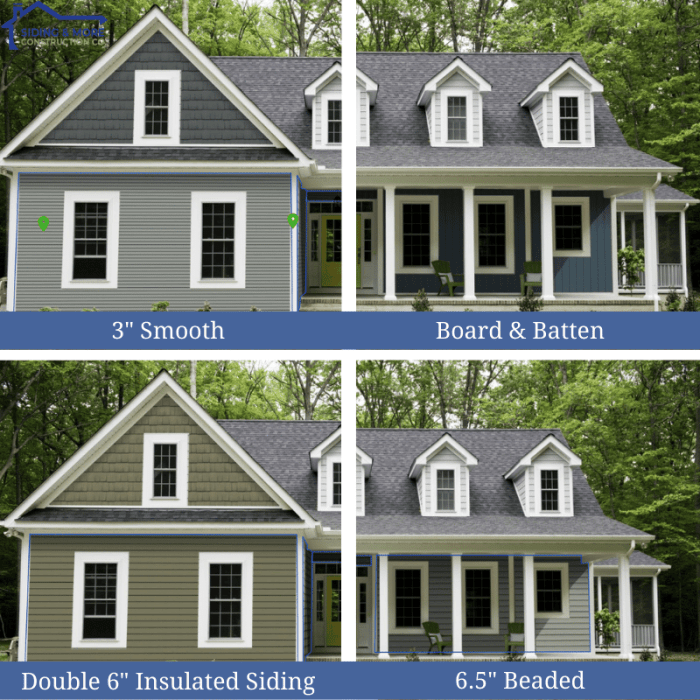
Vinyl siding has a rich history dating back to the late 1950s when it was first introduced as an alternative to aluminum siding. Over the years, technological advancements have made vinyl siding a popular choice for homeowners due to its durability, low maintenance, and versatility in design options.
Benefits of Vinyl Siding
- Low Maintenance: Vinyl siding requires minimal upkeep compared to other siding materials like wood or brick. It does not need to be painted or stained, saving time and money in the long run.
- Durability: Vinyl siding is resistant to harsh weather conditions, such as rain, wind, and extreme temperatures. It does not rot, warp, or corrode like wood or metal siding.
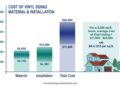
- Cost-Effective: Vinyl siding is relatively affordable compared to other options, making it a cost-effective choice for homeowners looking to enhance the appearance and protection of their homes.
- Energy Efficiency: Some vinyl siding options come with insulation, helping to improve the energy efficiency of a home by reducing heating and cooling costs.
Cost Factors of Vinyl Siding Installation
When considering vinyl siding installation, several factors can influence the overall cost:
- Size of the Home: The square footage of the house will impact the amount of materials needed for the siding installation.
- Siding Quality: Higher quality vinyl siding will come at a higher cost but may offer better durability and longevity.
- Additional Features: Factors like trim work, insulation, and labor costs can add to the total expenses of vinyl siding installation.
- Location: Regional differences in labor costs, permits, and material availability can affect the overall cost of vinyl siding installation.
Homewyse Vinyl Siding Installation
When it comes to installing vinyl siding, it is essential to follow a systematic process to ensure a successful outcome. From gathering the necessary tools and materials to the final touches, each step plays a crucial role in the overall installation.
Step-by-Step Process
- Prepare the surface: Ensure the surface is clean, smooth, and free of any obstacles before starting the installation.
- Measure and cut the siding: Accurately measure the dimensions of the walls and cut the siding panels accordingly.
- Install starter strips: Begin by installing starter strips at the bottom of the wall to provide a base for the first row of siding panels.
- Attach the siding panels: Start from one end and work your way horizontally, securing each panel with nails or screws.
- Add accessories: Install J-channels, corner posts, and trim pieces to provide a finished look and ensure proper functionality.
- Finish with soffit and fascia: Complete the installation by adding soffit panels under the eaves and fascia boards along the roofline.
Tools and Materials
- Vinyl siding panels
- Starter strips
- Nails or screws
- J-channels, corner posts, and trim pieces
- Soffit panels and fascia boards
- Tape measure, level, and chalk line
- Siding cutter or tin snips
- Hammer or screw gun
- Caulk and sealant
Tips for Success
- Follow manufacturer instructions: Always refer to the manufacturer's guidelines for the specific vinyl siding you are installing.
- Pay attention to weather conditions: Choose a dry and moderate temperature day for installation to ensure proper adhesion and alignment.
- Work methodically: Take your time to measure and cut accurately, ensuring a precise fit for each panel.
- Use proper safety gear: Wear gloves, safety glasses, and appropriate footwear to protect yourself during the installation process.
Homewyse Vinyl Siding Maintenance
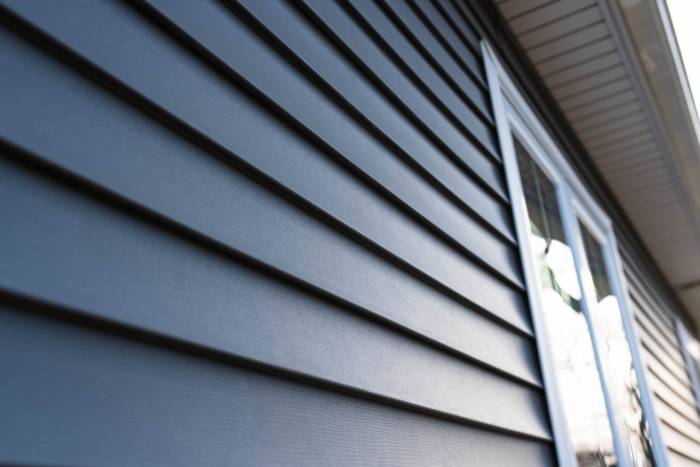
Maintaining your vinyl siding is essential to ensure its longevity and keep your home looking its best. Regular maintenance can help prevent issues and preserve the appearance of your siding for years to come.To effectively maintain your vinyl siding, follow these recommended practices:
Cleaning Vinyl Siding
- Regularly wash your siding with a mixture of mild soap and water to remove dirt, dust, and other debris.
- Use a soft-bristled brush or a cloth to scrub stubborn stains gently.
- Rinse thoroughly with clean water to prevent soap residue from drying on the surface.
- Consider using a pressure washer on a low setting for tough stains, but be cautious not to damage the siding.
Common Issues and Solutions
- Mold and Mildew:To remove mold or mildew, mix water with white vinegar or bleach and scrub the affected areas. Rinse thoroughly.
- Fading or Discoloration:Avoid using abrasive cleaners that can strip the color from the siding. Consider repainting or replacing damaged panels.
- Cracks or Holes:Fill small cracks with caulking or sealant to prevent water infiltration. For larger damage, consider replacing the affected panels.
- Loose Panels:Secure loose panels by reattaching them with nails or screws. Ensure proper alignment to maintain a uniform appearance.
Homewyse Vinyl Siding vs. Other Siding Materials
When considering siding options for your home, it's essential to compare the features and benefits of different materials to make an informed decision. Let's take a closer look at how vinyl siding stacks up against other popular siding materials in terms of cost, durability, longevity, and aesthetic options.
Cost Comparison
- Vinyl Siding:Vinyl siding is often considered one of the most cost-effective options for siding. It is relatively affordable compared to materials like wood or fiber cement.
- Wood Siding:Wood siding can be quite expensive, especially if you opt for high-quality wood species like cedar or redwood.
- Fiber Cement Siding:Fiber cement siding falls in the mid-range of pricing, more costly than vinyl but less expensive than wood.
Durability and Longevity
- Vinyl Siding:Vinyl siding is known for its durability and resistance to rot, moisture, and pests. It can last upwards of 20-40 years with proper maintenance.
- Wood Siding:Wood siding requires more maintenance to prevent rot, warping, and insect damage. However, with proper care, it can last for decades.
- Fiber Cement Siding:Fiber cement siding is highly durable and resistant to fire, insects, and rot. It can have a lifespan of 50+ years.
Aesthetic Options
- Vinyl Siding:Vinyl siding comes in a wide range of colors, textures, and styles, allowing homeowners to achieve various looks, including mimicking the appearance of wood or stone.
- Wood Siding:Wood siding offers a classic, natural look that can enhance the curb appeal of a home. It can be stained or painted in various colors.
- Fiber Cement Siding:Fiber cement siding can replicate the look of wood, stucco, or masonry, providing diverse aesthetic options for homeowners.
Wrap-Up
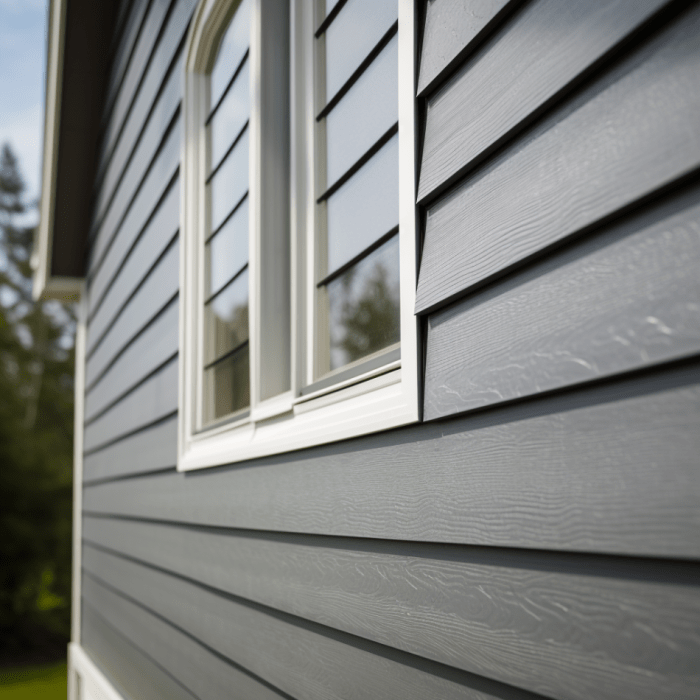
In conclusion, homewyse vinyl siding emerges as a reliable and cost-effective solution for enhancing the exterior of your home. With its easy maintenance and array of design options, vinyl siding stands out as a popular choice among homeowners looking to elevate their property's curb appeal.
Q&A
What is the average lifespan of homewyse vinyl siding?
Homewyse vinyl siding typically lasts between 20 to 40 years, depending on maintenance and environmental factors.
Can vinyl siding be painted?
Yes, vinyl siding can be painted, but it is essential to use the appropriate type of paint and follow proper preparation steps for long-lasting results.
How often should vinyl siding be cleaned?
It is recommended to clean vinyl siding at least once a year to remove dirt, mold, and mildew buildup, helping maintain its appearance and longevity.
Is homewyse vinyl siding eco-friendly?
Vinyl siding is not biodegradable, but it can be recycled. Some manufacturers offer eco-friendly options with higher recycled content, contributing to sustainability efforts.