
Delving into the realm of vinyl siding replacement cost unveils a myriad of factors that influence the overall expenses. From material quality to labor costs, each element plays a crucial role in determining the final price tag for this home improvement project.
Let's dive deep into the intricacies of vinyl siding replacement cost and discover valuable insights that can help you make informed decisions for your next renovation endeavor.
Factors Affecting Vinyl Siding Replacement Cost
When it comes to replacing vinyl siding, several key factors can influence the overall cost of the project. Understanding these factors is essential for homeowners looking to budget for a siding replacement project.
Material Quality
The quality of the vinyl siding material chosen for the replacement project can have a significant impact on the total cost. Higher-quality materials are often more durable and aesthetically pleasing but come at a higher price point. For example, premium vinyl siding with enhanced durability and insulation properties will cost more than basic vinyl siding options.
Labor Costs
Labor costs play a crucial role in determining the overall cost of vinyl siding replacement. The complexity of the installation process, the size of the project, and the location of the home can all affect labor costs. Additionally, hiring experienced and reputable contractors may come with a higher price tag but can ensure a quality installation that lasts.
Additional Services
Additional services such as removing existing siding, repairing underlying structures, or adding insulation can also impact the total cost of a vinyl siding replacement project. These extra services add to the overall labor and material costs, but they are essential for ensuring a successful and long-lasting siding replacement.
Average Cost Breakdown for Vinyl Siding Replacement
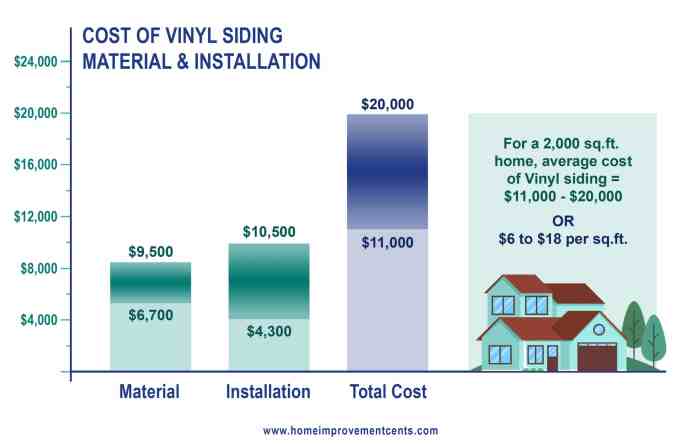
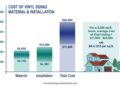
Replacing vinyl siding involves several cost components that contribute to the overall expense of the project. Understanding the breakdown of these costs can help homeowners budget effectively and make informed decisions.
Material Costs
- Materials typically account for about 50% to 60% of the total cost of vinyl siding replacement.
- Costs include the actual siding panels, trim pieces, accessories, and any additional materials required for installation.
- Higher quality materials or specialized finishes may increase the overall material cost.
Labor Costs
- Labor costs make up around 30% to 40% of the total expenses for vinyl siding replacement.
- This includes the cost of hiring professionals to remove the old siding, prepare the surface, and install the new siding.
- Complex installations or customization may lead to higher labor costs.
Permit Fees
- Permit fees are a smaller but necessary expense, typically ranging from 5% to 10% of the total cost.
- These fees are required by local authorities to ensure that the replacement meets building codes and regulations.
- The actual cost can vary depending on the location and the specific requirements of the project.
Other Expenses
- Other expenses such as disposal fees for old materials, equipment rental, or unforeseen repairs can account for the remaining 5% to 10% of the total cost.
- It's important to factor in these additional costs to avoid unexpected budget overruns during the project.
Cost-Saving Tips for Vinyl Siding Replacement
When it comes to replacing vinyl siding, there are several strategies homeowners can use to save money without compromising the quality of the project. By being strategic and resourceful, you can minimize costs and still achieve a great outcome.
Pick the Right Time
Choosing the right time for vinyl siding replacement can help you save money. Consider scheduling the project during the off-season when contractors are less busy, as they may offer discounts to fill their schedules.
Do Some of the Work Yourself
While you may not be able to handle the entire replacement project on your own, there are certain tasks you can do to cut down on labor costs. For example, removing the old siding or preparing the surface for installation can be DIY projects that save money.
Get Multiple Quotes
Don't settle for the first quote you receive. Shop around and get estimates from multiple contractors to compare prices. This can help you find the best deal and potentially negotiate a lower price.
Consider Different Materials
While vinyl siding is a cost-effective option, there may be other materials that are more budget-friendly. Explore different siding materials and see if there are alternatives that fit your budget while still meeting your needs.
Opt for Standard Colors and Styles
Choosing standard colors and styles for your vinyl siding can help you save money. Custom colors or intricate designs often come with a higher price tag, so sticking to basic options can keep costs down.
Maintain Your Siding Regularly
Regular maintenance can extend the lifespan of your vinyl siding, reducing the need for premature replacement. By taking care of your siding and addressing issues promptly, you can avoid costly replacements in the future.
Comparing Vinyl Siding Replacement Costs with Other Siding Options
When considering replacing vinyl siding, it's essential to compare the costs with other popular siding materials like wood, fiber cement, or metal. Each option comes with its own set of pros and cons, including initial costs, installation expenses, and long-term maintenance requirements.
Wood Siding
Wood siding is a traditional and aesthetically pleasing option for many homeowners. However, it tends to be more expensive than vinyl siding both in terms of material and installation costs. Wood siding also requires regular maintenance, such as painting or staining, which can add to the overall expenses over time.
Fiber Cement Siding
Fiber cement siding is known for its durability and low maintenance requirements. While the initial cost of fiber cement siding may be higher than vinyl siding, it is often considered a cost-effective option in the long run due to its longevity and resistance to rot, pests, and fire.
Metal Siding
Metal siding, such as aluminum or steel, is another alternative to vinyl siding. Metal siding is durable and requires minimal maintenance, making it a popular choice for many homeowners. However, the initial cost of metal siding can be higher than vinyl siding, and it may not offer the same level of insulation as other materials.Choosing vinyl siding over wood, fiber cement, or metal options can be a cost-effective decision for many homeowners.
While vinyl siding may have a lower initial cost and require less maintenance in the long run, it's essential to weigh the pros and cons of each material based on your budget and preferences.
Last Word
As we conclude our discussion on vinyl siding replacement cost, it becomes evident that understanding the various factors at play is essential for budgeting effectively. By implementing cost-saving tips and comparing different siding options, homeowners can embark on their renovation journey with confidence and clarity.
Make informed choices and transform your home with the right siding solution that fits your budget and preferences.
Clarifying Questions
What are the key factors influencing vinyl siding replacement cost?
The key factors include material quality, labor costs, additional services, and permit fees.
How can homeowners reduce the cost of replacing vinyl siding?
Homeowners can minimize material expenses, negotiate labor costs, and seek affordable installation services.
What is the average cost breakdown for vinyl siding replacement?
The breakdown includes material costs, labor costs, permit fees, and other expenses, each contributing to the total cost.
How does the cost of vinyl siding replacement compare to other siding options?
The cost comparison involves popular alternative siding materials like wood, fiber cement, or metal, highlighting differences in material, installation, and long-term maintenance costs.